







The Restaurant or Pizzeria Website That Fills Tables
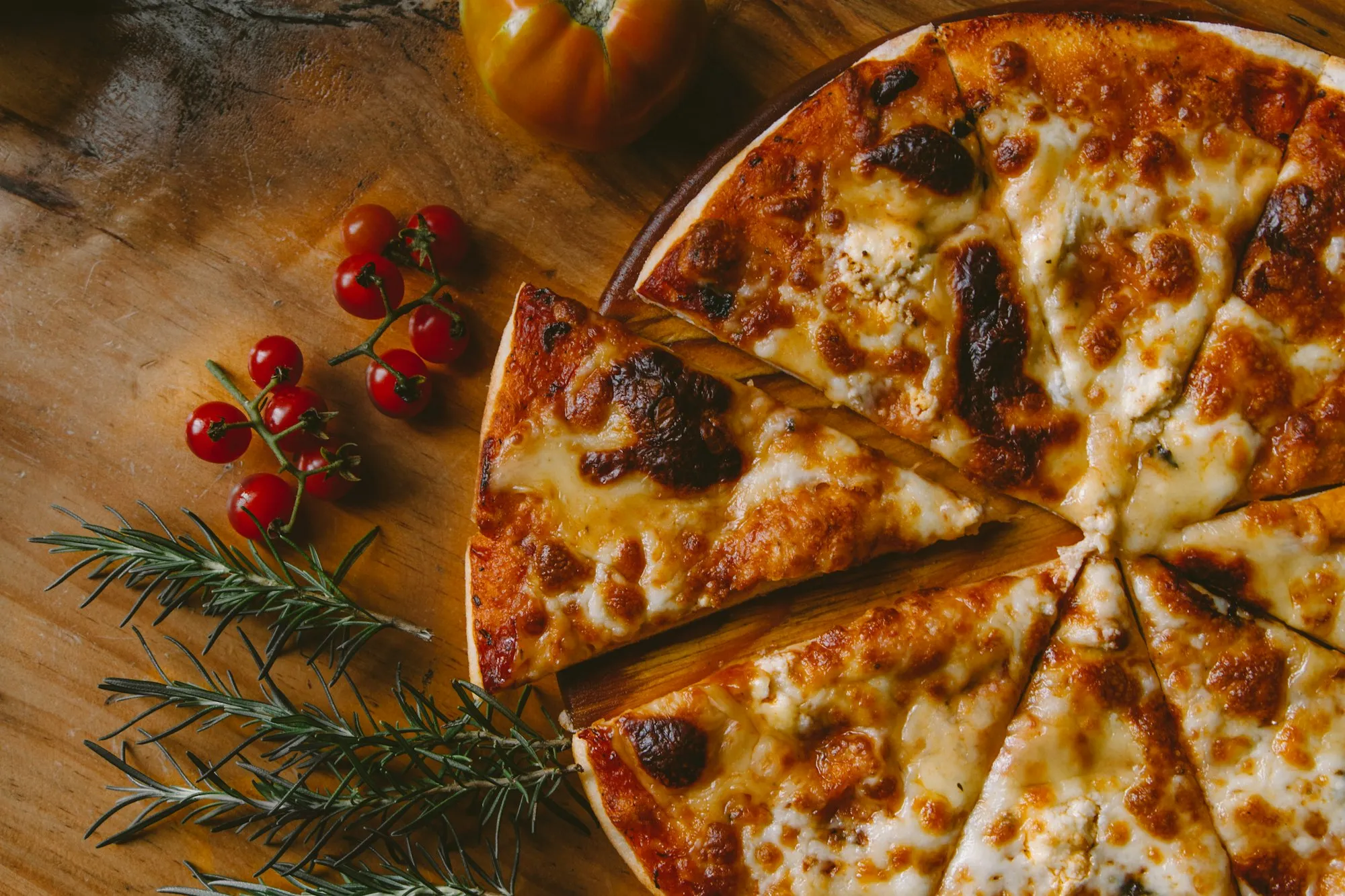
A couple stands on the corner deciding where to eat. Two pizzerias, one each way, both about the same price, both somewhere they have never been. He pulls up one and sees a tired PDF that will not open properly; she pulls up the other and there it is - the wood-fired margherita, the room half full and warm, a “book a table” button under her thumb. Thirty seconds later they are walking toward the second one. Nothing about the food decided that. The kitchen behind the first door might well be the better cook. It simply never got the chance to make its case.
That tiny moment is exactly what a restaurant or pizzeria website is for: to win the choice when a hungry person is weighing you against the place down the road, both unknowns, both a tap away. Not a dusty page with a menu from two winters ago, and not just a profile on an app that charges you for every cover it sends - a real site you own, where a diner can read the menu, fall for a photo and book a table or order takeaway in seconds. This guide is about what that site actually needs to do, and why - across Switzerland and Italy - the places that stay busy are the ones treating their website and their Google listing as tools, not afterthoughts.
The job your website is really doing
Most restaurant owners think a website is there to “have a presence.” It is doing something far more specific than that. In the moment a person is deciding between you and the place two streets over, your site - and your Google listing feeding into it - is answering three fast, ruthless questions:
Is this place any good? Is it open? Can I get a table or an order right now without faffing about?
All three get answered on a phone, usually in seconds, mostly before anyone reads a word of your copy. A site that loads instantly, shows real photos of the actual food, makes the menu easy to scan and puts a booking button under the diner’s thumb says “yes, eat here.” A site that takes five seconds to appear, hides the menu inside a slow PDF, or has no obvious way to book says the opposite - and your would-be guest is already tapping the next result.
Here is what most restaurant sites get wrong: they are built to impress, with a full-screen video of flames and a long story about the chef’s philosophy, and they forget the diner just wants to know what is on, what it costs, and how to book. Atmosphere matters - but it earns its place after the menu, the photos and the booking, not in front of them. The hungry person on the pavement is not reading your manifesto. They are looking for a reason to stop walking.
There is a second audience the same site has to serve, and the two pull in different directions. The first-timer needs reassurance - photos, reviews, a clear menu, a sense of the room. Your regular needs speed - they already know they love the place; they just want to book Friday or reorder the usual takeaway without three taps of preamble. A good restaurant site does both at once: it sells the experience to the newcomer and gets out of the way for the loyal customer. Lose sight of either and you leak business you never see.
Why an app listing and Instagram are not enough
We hear it constantly: “We’re on TheFork and Uber Eats, and we post the dish of the day on Instagram - aren’t we covered?” Fair question. The answer is no, and it has nothing to do with how hard you are working and everything to do with what you own.
The aggregators - TheFork for bookings, Deliveroo, Uber Eats, Just Eat and the local players for delivery - are genuinely good at one thing: putting you in front of someone who is already hungry and browsing. Use them when the maths works. But understand the deal you are in. They take a cut of every cover or every order. The customer’s name, email and habits belong to the platform, not to you. And the moment a competitor pays for better placement, or the app reshuffles its rankings, you slide down a list you do not control. You are a line item in someone else’s marketplace - a tile among forty others, sorted by their rules, monetised on your margin.
Instagram is the other half of the misunderstanding. A beautiful plate of pasta or a blistered pizza crust is made for the feed, and stories are great for “tonight’s special” and “two tables left.” Keep posting. But you are a tenant there, not an owner: a feed nobody controls decides who even sees the post, it is buried by tomorrow lunchtime, and you cannot put a menu, your hours or a booking button inside a photo. Social is the top of the funnel. It makes someone want you. It cannot close the table. It needs to send people somewhere - and that somewhere should be a site you own.
Your website is the only thing in that list you actually control. You set the menu, the prices, the photos, how fast it loads, and what happens when someone wants to book or order. It is open at eleven at night when a couple is deciding where to take their anniversary. It works while your kitchen is slammed. And every booking, every order, every email address stays yours - no commission skimmed off the top, no platform standing between you and your own regulars.
What belongs on a restaurant or pizzeria website
A restaurant site lives or dies on a short list of things diners actually came for. Everything else is decoration. Here is what earns its place, roughly in the order a hungry visitor meets it.
The menu, fast and readable - not a PDF
This is the page people open first, and it is the one restaurants most often botch. A menu trapped in a PDF is the classic mistake: it loads slowly, pinches and zooms badly on a phone, and tells Google nothing about what you serve. Your menu should be real text on the page, grouped by course, easy to thumb through, with prices visible and no download required. For a pizzeria, the pizza list is the star - get it scannable, with the good descriptions where they matter. Flag the vegetarian, vegan and gluten-free options clearly; a guest with a dietary need who can see at a glance that you have them covered is a guest who books. A clear menu is not a nicety. It is the single most-visited page you have.
Photography that makes people hungry
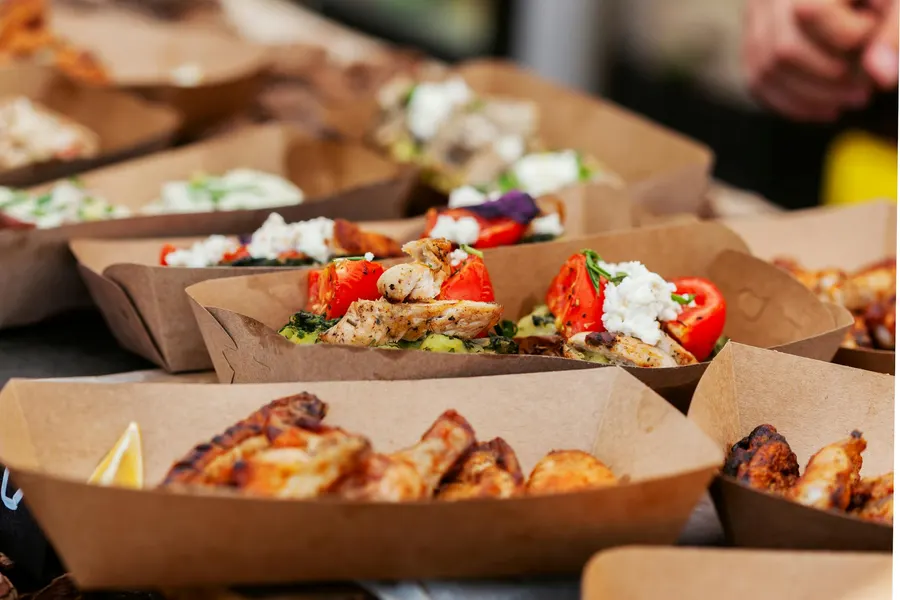
Food sells with the eyes, and nowhere is that more brutally true than a restaurant website. One set of real, well-lit photos of your actual dishes - not stock images of someone else’s burger - does more for bookings than any amount of prose. Show the room too, so a diner can picture the evening: the terrace at golden hour, the wood-fired oven, a full table mid-service. A pizzeria with a genuine photo of a charred, leoparded crust coming out of the oven has already half-sold the table. Build the site to show these big and load them fast, and let the photography do the talking.
Table booking that takes two taps
For a sit-down restaurant, this is the action that pays the rent. A “book a table” button should sit on every screen, above the fold, working in a couple of taps: covers, date, time, name, done. No phone call required, no “email us and we’ll confirm,” no form with twelve fields. The booking should land in your system the second it is submitted, and - this is the part that matters - it should be your booking, not one rented from an app that charges you per cover. We will come back to this, because for most restaurants it is the whole game.
Takeaway and delivery ordering you actually own
If you do takeaway or delivery, an ordering flow on your own site is the difference between keeping your margin and handing 25 to 30 percent of every order to an app. The basket has to be effortless on a phone: pick dishes, choose collection or delivery, add a time, pay, done. Send the order straight to the kitchen. The point is not to abandon Uber Eats overnight - it is to give every regular, and everyone who finds you directly, a reason to order from you instead of through a platform that taxes the transaction. A QR code on the table and a line on the receipt does the quiet work of moving people across.
Hours, location and a map that is never wrong
Half the searches that find you are “open now” searches. If your hours are wrong, or worse, missing, you lose the guest before they have seen a single photo. Show your opening hours plainly, flag holidays and kitchen-closed days, and put an interactive map and a tap-to-call number where nobody has to hunt for them. “Where are you and are you open” is, for a huge share of visitors, the only question they came to answer. Answer it instantly. The same hours need to match what your Google listing says down to the minute - a diner who sees “open until 23:00” on Google and a locked door at 22:00 leaves a one-star review and never comes back.
The maths of owning the booking and the order
It is worth pausing on the numbers, because this is where a restaurant website pays for itself many times over. A booking app typically charges a fee per cover it sends you; a delivery platform takes a slice of every order that often lands between 25 and 35 percent once you add the fees. On a 40 euro order, that can be 12 euro gone before you have paid for the ingredients. Do a few thousand orders a year through an app and you are quietly handing over a sum that dwarfs what a whole website costs to run.
Now picture the same order placed on your own site: you keep the lot, minus a small payment-processing fee. You also keep the customer - their email, their order history, the fact that they like extra chilli and always order on a Friday. That is a regular you can bring back with a message about a new menu, not a stranger the app rents to you once and never again. Nobody is saying torch the apps on day one; they earn their keep for discovery. The play is to make your own site the obvious place for anyone who already knows you to come back to, and to claw your margin back order by order.
Proof you are worth the trip
Around the essentials, a few things tip the decision: genuine reviews (and a visible, healthy Google rating), an honest line about who you are and what you cook, any press or awards, and the specifics that build appetite - “wood-fired Neapolitan pizza,” “fresh pasta made in-house daily,” “natural wines by the glass.” Specifics beat adjectives. “Authentic Italian cuisine” means nothing. “Dough proved 48 hours, baked at 450 degrees” means dinner. A short, warm word about the people behind the stove - a family name, how long you have been on that corner - does more than a stock photo of a chef who does not work there ever will.
If you would rather see all of this assembled into one working site than read it in a list, we built a complete demonstration you can click through: see the live demo. It is a fictional pizzeria, but every flow - menu, gallery, table booking, takeaway basket, hours and map - is real and working.
Turning hungry visitors into guests
Having the right pages is necessary. It is not enough. The gap between a site that looks nice and a site that fills tables comes down to a handful of unglamorous details.
Speed and mobile come before everything. Nearly all your traffic is on a phone, often on mobile data, often hungry and impatient. A site that takes four seconds to load has lost a slice of those people before your hero photo even appears - they are back in the search results choosing someone else. Fast loading and a phone-first layout are not technical polish; they are the price of being considered at all. A heavy, plugin-stuffed site quietly bleeds you covers every single night.
One obvious action per screen. A diner should never have to wonder what to do next. Book a table. Order takeaway. See the menu. Pick the single highest-value action for your place - for most sit-down restaurants it is the booking, for a busy pizzeria doing volume it may well be the order - and make that button impossible to miss. Not five competing links. One thumb-friendly button that follows the diner down the page.
Make booking and ordering feel like a favour, not a form. Every extra field is a guest lost. Ask for the few things you genuinely need and nothing more. The faster and friendlier the flow, the more people finish it - and the more covers and orders land in your system instead of evaporating.
Response and confirmation close the loop. A booking that confirms instantly, an order that is acknowledged the moment it is placed, reassures the guest they have actually got through. Set the site up so requests hit you in real time and the diner gets an immediate “you’re booked” - the silence of an unconfirmed request is where bookings quietly die.
Trust signals next to the action. Put a live Google rating, a recent review, a tap-to-call number and a real photo of the room right where the booking happens, not parked on an “about” page nobody opens. A diner about to commit a Friday night wants a flicker of proof the place is real and busy before they tap “book.” Give it to them at the exact moment of the decision and more of them go through with it. Hide it and the doubt does the deciding.
Get the basket and the booking timing right. Two small mechanics quietly decide a lot of orders. On takeaway, let people choose a collection time rather than dumping everything on “as soon as possible” - it smooths your kitchen and stops the 8pm pile-up. On bookings, show real availability so a guest is not asked to wait for a confirmation that may never come; an instant “table held” closes the decision while they are still keen. Friction at this exact step is where a hungry, ready-to-commit visitor slips away, and it is almost always avoidable.
None of this is exotic. It is just rarely done well, which is exactly why doing it well puts you ahead of the place down the road.
Where diners actually find you
Sooner or later the question is “how do people end up on the site?” For restaurants the answer leans on one channel harder than any other, and it is worth being clear-eyed about where each one earns its keep.
Your Google Business Profile is the front door. For restaurants, nothing online matters more. When someone searches “pizzeria near me” or “best pasta open now,” Google’s map pack decides who they even consider - and that listing is driven by your hours, your photos, your reviews and your category being right. Claim it, fill it in completely, keep the hours accurate, add fresh photos, and reply to reviews. Then wire a “reserve” or “order” link from that listing straight to your own site, so the guest Google hands you lands on a page you own rather than on an app. Get this one thing right and you have done more than any ad campaign will do for you.
Organic search and your own site are the slower, compounding layer underneath. A fast, well-structured site with a real text menu, clear local signals and pages that answer what diners type (“gluten free pizza,” “restaurant with terrace,” “Sunday lunch”) is what lets you show up beyond the immediate map pack. It builds over months, but it is the best money in marketing because it keeps working and you are not paying per click. The Google listing gets you seen tonight; the site is what earns you the steady stream.
Instagram, and a little paid where it pays. Instagram is your appetite engine - food photography, stories of tonight’s special, the new seasonal menu - and it sends warm people to your site to book. Paid is narrower for restaurants: a modest Google or Meta push around a launch, a special evening or a slow midweek slot can work, pointed straight at your booking or ordering page. But for most places the paid budget comes a distant third behind a strong Google Profile and a site that converts. Spend there last, and only on something specific.
Ready-made or built from scratch?
So the site matters and the bookings should be yours. The last real decision is how to get one, and for most restaurants the traditional bespoke route is the wrong default.
Go bespoke and you are signing up for a months-long project and a five-figure invoice to have a developer rebuild a menu page, a booking flow, a takeaway basket and a photo gallery from a blank file - the same four things every other restaurant on the street already has. The launch date drifts, you carry the risk, and what you are left with is a pile of code you now have to host, update and keep secure yourself, or pay someone to. A handful of restaurant groups with genuinely unusual needs should go that way. Most kitchens have better things to do with five figures and four months.
The alternative is a productised, ready-made site: a restaurant or pizzeria website that is already built, tested and complete, which we then make yours. The structure is proven because it has been refined across many venues. You are live in days, not months. You pay a sensible one-time setup and a flat monthly fee that covers hosting, maintenance, security and small changes - and, crucially, takes no commission on the bookings or orders it brings you, unlike every delivery app you have ever signed up to. It stays fully yours to shape: your brand, your colours, your menu, your photos, with bigger features added later if you grow into them. The ready-made starting point is a head start, not a ceiling.
That is exactly the model behind our ready-made restaurant website - one of a whole line of ready-made websites for specific industries. You get the site a custom build would have given you, without the months and the five-figure gamble, and you can be taking bookings and orders next week instead of next quarter.
Where to start
If you take one thing from all this, make it this: own the action that fills the seat. Most owners pour energy into the part the apps already do - getting discovered - and neglect the booking and the order, the moments where an app quietly takes its cut. Get a fast, honest site live with a real menu and proper photos, wire your Google listing straight into it, put a booking or ordering button under every thumb, and make sure your best customers learn to come to you directly. Do that and you have a quiet machine that fills tables and sends orders while you do the thing you are actually good at, which is cooking.
The hard part used to be getting the site built at all. It is not anymore. The site is ready, it works, and it can be wearing your name and taking your bookings in a matter of days.
Frequently asked questions
- How much does a restaurant or pizzeria website cost?
- A custom build runs into five figures and takes months. A ready-made site like ours is a one-time setup plus a low all-inclusive monthly fee that covers hosting, maintenance, security and small changes - the current figure is on the solution page. There is no commission on the bookings or orders it brings you, which is the whole point compared with the aggregators.
- I'm already on TheFork and Uber Eats. Do I still need my own website?
- Yes, and they do different jobs. The aggregators put you in front of people already browsing, then take a cut of every cover or order and keep the customer's details. Your website is where someone who heard your name, saw a photo or got a recommendation goes to check the menu, the hours and book a table - with no commission and the guest's contact yours to keep. Most people look you up directly before they ever open an app.
- How long before it is online?
- A ready-made restaurant or pizzeria website goes live in a few working days. We set up your brand, colours, menu and photos, connect your booking and ordering, and it is live. A bespoke project is usually a two to four month commitment before a single guest sees it.
- Does cutting out delivery apps mean I lose all that traffic?
- No. Keep the apps for discovery if they work for you, but push your regulars and anyone who finds you directly to order on your own site, where you pay no per-order commission. A QR code on the table, a line on the receipt and a link in your Instagram bio quietly move your best customers off the apps and onto a channel you own. Over a year that shift is real money back in your pocket.
- Who keeps the menu, photos and hours up to date?
- You do, from a simple dashboard - change a price, swap the photo of the day, mark the kitchen closed for a holiday in a minute. Hosting, security, updates and small changes are included in the monthly fee, so the technical side is handled. A menu that is wrong or a 'closed' that is out of date costs you covers, so keeping it current is the one habit worth building.